
The Transparent Tipster: How Public Stats Grow Subscribers
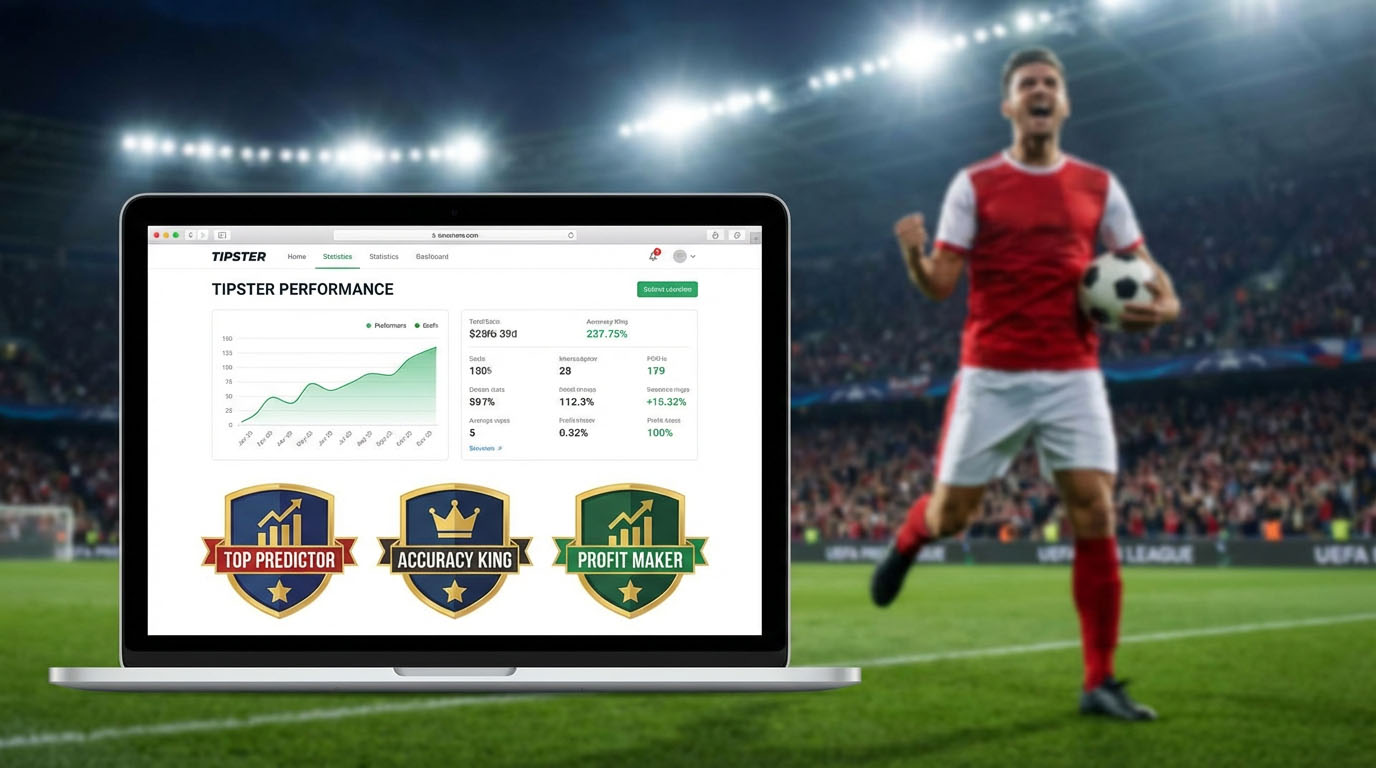
If you want more subscribers, stop “selling picks” and start proving performance.
In betting, everyone says they’re winning. The tipsters who grow are the ones who make it easy for people to verify. That’s what transparency does: it turns “trust me” into “I can see it.”
This post shows you what to publish, how to publish it, and why a clean public stats page is one of the fastest trust → sales accelerators you can build.
Why transparency sells (even before you’re famous)
Most bettors don’t cancel because you lose a pick. They cancel because they feel uncertain:
- “Are these results real?”
- “Is this cherry-picked?”
- “Is the staking consistent?”
- “Do they hide losing weeks?”
A public stats page removes doubt. It gives a prospect the confidence to subscribe because they can see:
- your track record
- your style (markets, leagues, staking)
- your consistency over time
Transparency doesn’t guarantee conversions, but a lack of it kills them.
What to show (the non-negotiables)
If you want credibility, your public stats should clearly show:
1) Win/Loss + ROI or Yield
People want a quick “is this profitable?” signal. Display at least:
- Total picks
- Win rate
- ROI / Yield (pick one and label it clearly)
- Profit (in units is best)
2) Time range filters
Let visitors switch between:
- Last 30 days
- Last 90 days
- All-time
This stops the “lucky week” suspicion.
3) Market and sport breakdown
Even a simple breakdown builds confidence:
- sports (soccer, NBA, tennis)
- markets (1X2, Asian handicap, props, totals)
It proves you’re not randomly posting everything.
4) Streaks + drawdowns (optional, but powerful)
You don’t need to dramatize losses, but showing reality makes you more trustworthy.
What NOT to do (common credibility killers)
Avoid these mistakes:
- Deleting picks after they lose
- Posting only “VIP wins” without historical proof
- Hiding stakes or changing stake sizing every day
- Showing only screenshots of winning slips
- Using confusing terms (ROI vs Yield vs Profit) without definitions
If you want recurring revenue, your stats must look like a system, not a highlight reel.
How public stats convert (the trust → sales path)
Think of your public stats page like a sales page that doesn’t feel like a sales page.
Here’s how it works:
- A visitor finds you (social, Telegram, SEO, referral)
- They check your profile
- They click “Stats”
- They see clean, auto-tracked performance
- They think: “This is real.”
- They subscribe
That’s why the goal isn’t “impress them.”
The goal is remove doubt.
The simplest setup that works
You don’t need 20 charts.
Start with this:
- Summary cards: Picks / Win rate / ROI or Yield / Profit (units)
- Chart: Profit over time (monthly or weekly)
- Table: Recent picks (with filters)
- A short “How results are tracked” note (1–2 lines)
Then add extras only when you have volume.
Where OwnTheGame fits
OwnTheGame is built around this idea: performance should be visible by default.
You publish picks → the platform tracks results → your public stats page stays updated automatically.
So instead of spending hours on spreadsheets (and arguing about whether results are “real”), you can focus on:
- posting
- improving your process
- growing your audience
- converting subscribers
Quick checklist before you ask people to pay
Before you ever push a subscription offer, make sure:
- ✅ Your stats page is easy to find (menu + profile button)
- ✅ Your time ranges are visible (30d / 90d / all-time)
- ✅ Your ROI/Yield definition is clear
- ✅ Your stake sizing is consistent
- ✅ Your results look “auditable” (not curated)
If you want to grow with credibility instead of hype, start here:
Start with transparent stats.
Build your public performance page and let your results do the selling.
Q&A: Transparent stats
Q: Should I make my stats public if I’m new?
Yes, but keep it simple. Show total picks, win rate, ROI/Yield, and recent picks. Transparency early builds trust faster than “perfect numbers.”
Q: What’s better to show: ROI or Yield?
Pick one and be consistent. Most tipsters use Yield % because it ties to staking. If you show ROI, define it clearly. The key is clarity, not the label.
Q: Do I need to show stake size publicly?
Not mandatory, but highly recommended. Even showing a simple units system (1–10) helps followers understand risk and consistency.
Q: What time ranges should I show?
Minimum: Last 30 days, Last 90 days, All-time. This removes “lucky week” suspicion and shows stability.
Q: Should I hide losing periods so it looks better?
No. Hiding losses hurts long-term. People don’t expect 100% wins. They expect honest tracking and a clear process.
Q: How do I handle void bets, pushes, or partial wins?
Use standard outcomes: Win / Loss / Void (and Half-win/Half-loss if you post Asian lines). Just keep the rules consistent.
Q: What if someone says stats can be faked anyway?
That’s exactly why you show full pick history + timestamps + consistent tracking rules. The more complete the history, the harder it is to argue.
Q: What’s the #1 mistake tipsters make with “proof”?
Posting screenshots of winning slips instead of a public stats page. Screenshots look like marketing. A stats page looks like evidence.
Q: How often should stats update?
Ideally automatic after results are known. If you update manually, do it daily and don’t edit old posts.
Q: Where should I link my stats page?
Three places:
- Main menu (“Stats”)
- Tipster profile (“View Stats”)
- End of every post (“Track record” link)